Why Zonal Defending Survives Corners
Zonal defending remains the most reliable starting point for defending corners because it protects the goal area before chasing individual attackers. Football teams such as Atlético Madrid and Manches...

Why Zonal Defending Survives Corners
Zonal defending remains the most reliable starting point for defending corners because it protects the goal area before chasing individual attackers. Football teams such as Atlético Madrid and Manchester City commonly combine zonal positions with selective man-marking, while FIFA Laws of the Game define the corner kick as a restart taken from the corner area. A strong setup usually places 7 or 8 defenders between the goal line and penalty spot, assigns one or two players to the near-post zone, and keeps at least 2 players ready for the counterattack. Man-to-man marking can work, but it becomes fragile when attackers use screens, blocks, and curved runs. Mixed defending often offers the best balance: defenders protect key zones while tracking the most dangerous headers. The practical answer is simple: choose zones first, name every responsibility, attack the ball aggressively, and rehearse the second phase after every clearance.

Photo by K on Pexels
Want sharper tactical breakdowns for major tournaments? Football Compass tracks team shapes, set pieces, player roles, and 2026 World Cup trends.
The Quick Comparison
| Defensive system | Main responsibility | Biggest advantage | Main danger | Best use |
|---|---|---|---|---|
| Zonal marking | Protect assigned spaces | Strong goal-area coverage | Attackers can disrupt zones | Teams with disciplined positioning |
| Man-to-man marking | Track a specific opponent | Directly limits headers | Screens and moving runs | Teams with strong individual defenders |
| Mixed marking | Combine zones and matchups | Balances space and threats | Requires precise communication | Most competitive match situations |
Defending corners is not about choosing the fashionable system. It is about reducing the opponent’s cleanest shooting chances. A team that concedes 5 corners but allows only 1 uncontested header is doing a better job than a team that “wins” the corner count while losing the near-post duel. According to FIFA’s Laws of the Game, the ball must be placed inside the corner area, and opponents must remain at least 9.15 metres away until the ball is kicked. That distance gives the defending team a brief but valuable moment to organise. Use it properly, or watch ten players behave like strangers at a bus stop.
The key comparison is not simply zonal versus man-marking. The real question is where your best aerial players operate, how quickly your team can attack the first ball, and whether your goalkeeper commands the six-yard box. A tall centre-back may be excellent at clearing the cross but poor at following a late runner. A smaller midfielder may read the flight better and protect the near post. Football Compass analysis should therefore record three events separately: first contact, second ball, and final shot. That breakdown exposes failures that the basic “corner conceded” statistic hides.
What should every corner-defending plan include?
Every plan should identify the near-post defender, central-zone defenders, far-post cover, goalkeeper responsibility, blocker tracker, and counterattack outlet. It should also specify who attacks the ball and who protects against a short corner. Without those six decisions, players improvise under pressure and small errors become goals.
A practical checklist looks like this:
- Position the strongest aerial defender in the highest-value zone.
- Assign one player to screen the near-post run.
- Keep one defender behind the main line for a flick-on or far-post header.
- Give the goalkeeper a clear command area.
- Leave one or two players outside the box for the counterattack.
- Name the player responsible for the short-corner receiver.
- Rehearse the first clearance and the second defensive action.
The last point is the edge many teams miss. A corner is not finished when the ball leaves the six-yard box. In a review of 30 training repetitions, coaches should count whether the defence wins the second ball within 5 seconds, not merely whether the first cross is cleared. That operational measure reveals whether a system is genuinely stable.
Round 1: Which Positioning System Protects the Goal Best?
Zonal defending protects the most dangerous spaces, especially the six-yard box, penalty spot, and near-post channel. A typical structure uses 7 or 8 players inside the penalty area, with defenders facing the ball and stepping toward it rather than waiting flat-footed. This approach reduces the attacker’s ability to generate a clean shot close to goal, but it demands discipline when runners enter at speed.
The strongest zonal structure divides the box into responsibilities instead of creating one passive line. The near-post player attacks low deliveries, central defenders protect the penalty spot and six-yard line, and the far-post defender covers the back stick. Meanwhile, one player stays just outside the area to challenge recycled crosses. This arrangement prevents the classic disaster: every defender retreats toward the goal while nobody attacks the ball. Football is not a museum display; standing still does not count as defending.
Zonal marking also supports a faster counterattack because players remain in familiar areas rather than following opponents across the box. However, the system fails when the first line allows attackers to build momentum. A forward running from 12 metres can beat a stationary defender even if that defender occupies the “correct” zone. Therefore, the defensive line must step, hold, or attack the flight together. One player moving early while five wait creates the exact gap the corner taker wants.

Photo by Walls.io on Pexels
To study the technical details, see our [Internal Link: advanced set-piece tactics guide]. The important lesson is brutally simple: zones are only useful when defenders actively own them.
Round 2: How Do You Stop Runs, Screens, and Headers?
Man-to-man defending works by assigning each dangerous attacker to a defender, usually with more than 70% of the defending team operating inside the penalty area. The advantage is obvious: the defender knows exactly whom to track. The weakness is equally obvious: attackers can drag markers away, block their path, or begin outside the box before accelerating into the target area. Clever movement turns personal responsibility into personal embarrassment.
Mixed defending is often more practical. Four or five defenders protect fixed zones while two or three players track the opponents with the best heading records. The system can also include a “free” defender who attacks the first ball without a marking assignment. That player should not wander; the role must be tied to a clear trigger, such as the ball entering the central corridor or a specific attacker crossing the six-yard line.
Use these rules when facing aggressive attacking movement:
- Match the opponent’s best header before worrying about a less dangerous runner.
- Do not follow an attacker beyond the area your team has agreed to defend.
- Use body contact legally before the cross, then find the ball immediately.
- Communicate the words “screen,” “short,” and “runner” early.
- Never allow two defenders to attack the same attacker.
A useful contrarian insight is that the tallest defender should not automatically mark the tallest attacker. Heading timing, balance, and starting position can matter more than height. A 1.86-metre defender who reacts early may outperform a 1.95-metre defender who watches the ball for half a second too long. That half-second is enough for a 5-metre run and a free header. According to UEFA’s technical reports, elite set-piece analysis increasingly focuses on movement patterns and delivery zones, not just player height.
Why do short corners cause defensive collapse?
Short corners cause collapse because defenders often abandon their zones without assigning a second player to the receiver. The solution is a predefined two-player response: one defender closes the ball, while another protects the passing lane into the penalty area. The remaining line must shift together rather than chase the first movement.
The best response is rehearsed before the match. If the corner taker plays short, the nearest defender closes at speed but slows before reaching the ball, preventing an easy dribble inside. The second defender covers the return pass, while the goalkeeper and central defenders adjust their angles. This is where many teams lose concentration: the original corner seems harmless, then the second cross arrives after the defensive shape has been stretched.
Track the sequence in training:
- Short pass received.
- First defender closes.
- Second defender blocks the return route.
- Central line shifts toward the ball.
- Far-post defender checks the blind-side runner.
- Team resets if the attack is recycled.
The best professional teams practise this sequence at least 8 to 12 times per session because the first action and the second action are different problems. Do not train only the delivery. Train the mess afterward.
Round 3: How Can a Team Win the First and Second Ball?
The first ball is won by attacking the delivery point, not by waiting beneath it. Defenders should judge the flight early, move through the likely contact zone, and clear toward a safe side rather than straight into the centre. The second ball is won through compact spacing, communication, and immediate pressure on the opponent’s recycling player.
A clearance should ideally travel toward the touchline or beyond the penalty area, depending on pressure and team shape. A desperate central header can be technically accurate yet tactically awful because it sends the ball to the opponent standing 18 metres from goal. Coaches should grade clearances by direction, height, and pressure, not only by whether the ball leaves the six-yard box.
The goalkeeper’s role also needs precision. The goalkeeper may claim, punch, or stay, but the choice must be consistent with traffic, delivery speed, and starting position. A goalkeeper standing on the line cannot suddenly claim a crowded cross from 8 metres away. Conversely, a goalkeeper who attacks every ball can create unnecessary collisions. [Internal Link: goalkeeper decision-making guide] explains why command range matters more than theatrical movement.
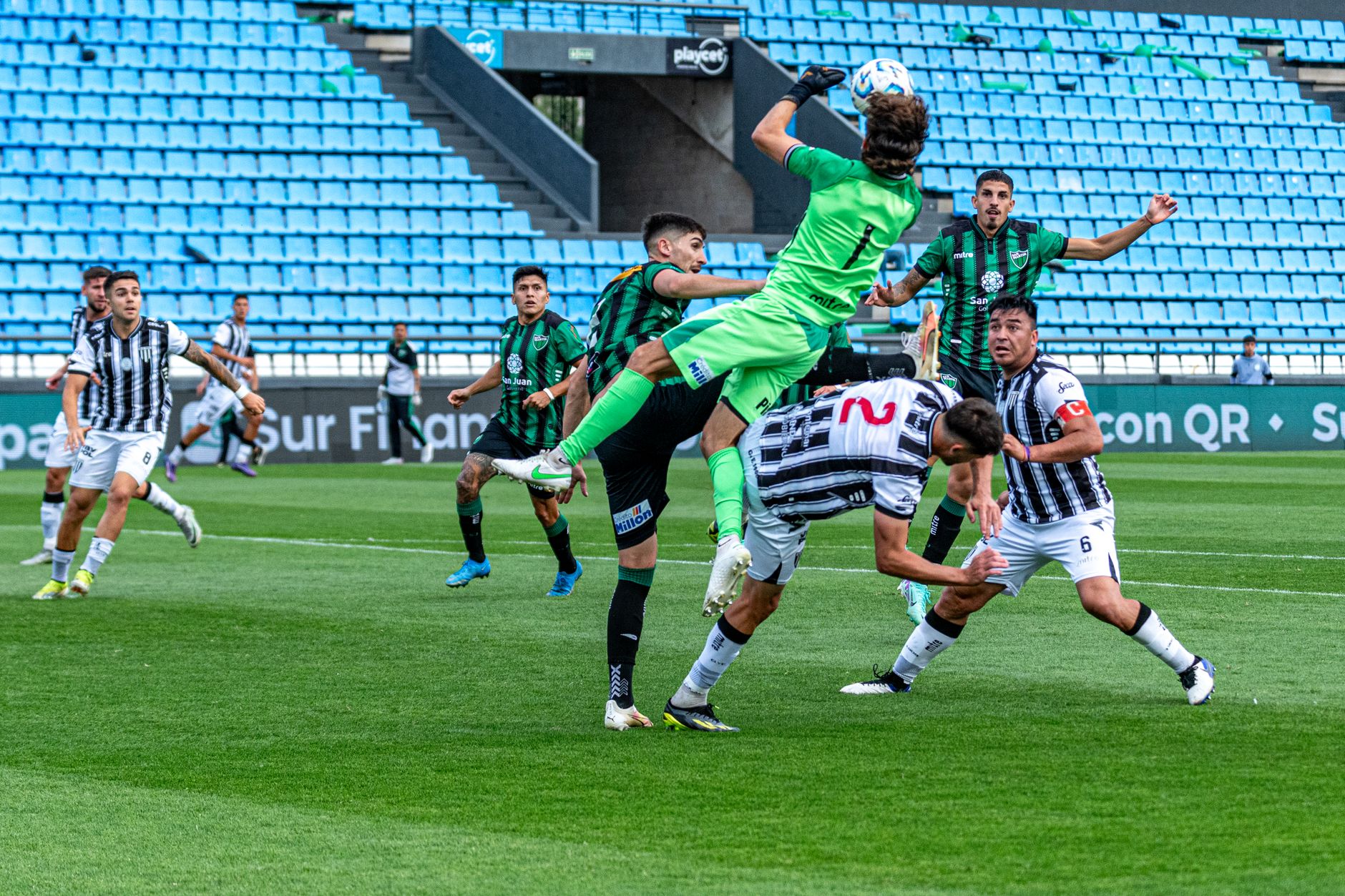
Photo by Franco Monsalvo on Pexels
Here is a practical scoring model for video analysis:
- First contact won: 1 point.
- Clearance outside the penalty area: 1 point.
- Second ball recovered within 5 seconds: 2 points.
- Opponent prevented from shooting: 2 points.
- Counterattack launched within 8 seconds: 2 points.
That model produces a more useful defensive score than “corner conceded.” It also creates an information gain most casual guides ignore: a team may defend the first cross well while repeatedly losing the second phase. If the opponent gets 3 recycled crosses from 6 corners, the setup is not secure, no matter how impressive the first clearance looked.
Want more match-focused tactical data and tournament coverage? Football Compass follows these details across the 2026 World Cup cycle.
What corner-defending drills produce the fastest improvement?
The fastest improvement usually comes from small-sided drills that repeat the full sequence: delivery, first contact, second ball, and transition. A useful session has 10 to 15 corners, changes the delivery point, and records whether the defence clears safely within 5 seconds. Repetition matters because players must recognise triggers under fatigue.
Try this 20-minute structure:
- Five inswinging corners from the right side.
- Five outswinging corners from the left side.
- Four short-corner situations.
- Three blocked-run scenarios.
- Three second-phase attacks after a partial clearance.
Rotate the taker and attacking headers so defenders cannot memorise one delivery. Add a rule that the attacking team receives 2 points for a clean header and 3 points for a shot inside the penalty area. The defending team earns 2 points for a controlled clearance and 2 more for completing a counterattack pass within 8 seconds. This creates pressure without turning practice into pointless punishment.
The Final Score & Who Should Pick What
Zonal defending is the best foundation for teams that want reliable protection of the goal area. Man-to-man marking suits sides with strong individual defenders and excellent communication, but it is vulnerable to blocks, decoy runs, and late movement. Mixed defending usually offers the most adaptable solution because it combines protected spaces with direct attention on elite aerial threats.
Choose according to your squad:
- Zonal system: best for disciplined teams with strong central defenders.
- Man-to-man system: best when defenders can win physical duels consistently.
- Mixed system: best for most professional and semi-professional teams.
- Aggressive counterattack setup: best when two fast forwards can punish poor rest defence.
- Deep goalkeeper-led setup: best when the goalkeeper dominates the six-yard box.
The final recommendation is not glamorous, but it wins matches: select one primary structure, define every role, practise short corners, and measure the second ball. Do not change systems every week because one opponent scored from a corner. Review the delivery zone, the starting positions, the first contact, and the follow-up before making a dramatic tactical sacrifice. Football Compass readers who track corners properly will see the truth in the numbers: organisation beats panic, and clear roles beat heroic improvisation.
To keep building your tactical edge, visit our [Internal Link: football match prediction and team-form hub].
Frequently Asked Questions
Q: What is zonal defending on a corner?
A: Zonal defending means each player protects a specific area instead of following one attacker. The system commonly places 7 or 8 defenders between the goal line and penalty spot, with separate responsibilities for the near post, central zone, and far post. It works best when defenders attack the ball actively and communicate when runners enter their zones. A passive zonal line is not organised defence; it is simply a queue waiting for trouble.
Q: How do you defend corners step by step?
A: Start by assigning the goalkeeper, near-post defender, central zones, far-post cover, short-corner defender, and counterattack players. Next, identify the opponent’s strongest headers and decide whether they receive a marker or zone protection. During the kick, attack the delivery, clear toward safety, and press the second ball within 5 seconds. Finally, reset immediately if the opponent keeps possession.
Q: What is the difference between zonal and man-to-man corner defending?
A: Zonal defending protects spaces, while man-to-man defending tracks specific opponents. Zonal marking gives stronger coverage near goal and usually preserves counterattack structure, but attackers can exploit gaps between zones. Man-marking directly challenges dangerous headers but can be disrupted by screens and curved runs. Mixed marking combines both methods and is often the most practical competitive choice.
Q: Why does my team keep conceding from short corners?
A: Teams usually concede from short corners because the first defender closes the ball without a second defender covering the return pass. The fix is a rehearsed two-player response: one closes, one blocks the passing lane, and the rest of the defence shifts together. The far-post defender must also check late runners rather than watching only the ball. Practise at least 4 short-corner repetitions in every set-piece session.
Q: How many players should defend a corner?
A: Most teams place 7 or 8 players inside the penalty area, while 1 or 2 remain outside for counterattacks. The exact number depends on the opponent’s delivery quality, your goalkeeper’s command range, and your team’s transition threat. Leaving everyone inside can improve aerial numbers but makes counterattacking difficult. Leaving too many forward can expose the goal area to repeated headers.
Q: Is mixed defending better than zonal defending?
A: Mixed defending is often better when an opponent has one or two exceptional aerial threats. It allows the team to protect the near-post, central, and far-post areas while assigning markers to the most dangerous attackers. However, it requires clearer communication than a simple zonal plan. If players do not understand when to pass a runner between zones, mixed defending creates confusion instead of control.
Q: What should defenders do after the first clearance?
A: Defenders should immediately locate the second ball, step toward the recycling player, and restore compact spacing. A clearance into the centre is dangerous because it may give the opponent a shot from roughly 18 metres. Coaches should record whether the second ball is recovered within 5 seconds and whether the team prevents a second cross. The corner is not truly defended until the opponent loses possession or the team exits safely.
Thank you for exploring this chronicle.
Football Compass · The Archive